Government measures can soften a price shock at the pump, but they cannot remove the underlying costs of oil, refining and transport. For companies, the decisions that matter most are therefore their own: where to invest, how to set up electricity sharing or a PPA, and how to prepare for new rules. Our Managing Partner Milan Malata and lawyer Michal Záthurecký discussed these questions in an interview with The Slovak Spectator. These are the key points for businesses.
State intervention has clear limits
EU law restricts how far Slovakia can go. Excise duty can be cut, as Slovakia’s rates are above the EU minimums, but a lower duty does not automatically guarantee that the full reduction reaches the pump. VAT offers less room than is often assumed: a special reduced rate for fuel must be permitted under EU rules and cannot simply be introduced by political decision. The EU minimum rate for petrol and diesel is 15%. Slovak law allows price interventions under certain conditions, but they must be proportionate and respect the EU internal market.
A price ceiling set too low could discourage imports and reduce the availability of fuel. Whether the 10-cent-per-litre cap on retailers’ margins, in force since 1 October, will lower prices is also uncertain: there is no reliable picture of actual margins across the market, and some smaller operators report margins already below that level. Targeted support for companies would have to be assessed under state aid rules.
Subsidised prices change the payback on savings
When the state makes each kilowatt-hour cheaper, it also reduces the value of each kilowatt-hour saved. For example, equipment that costs €10,000 and saves €2,000 a year pays for itself in five years. If subsidised prices cut the saving to €1,000, the payback period doubles to ten years. Companies should take this into account when assessing efficiency investments.
Measure before you invest
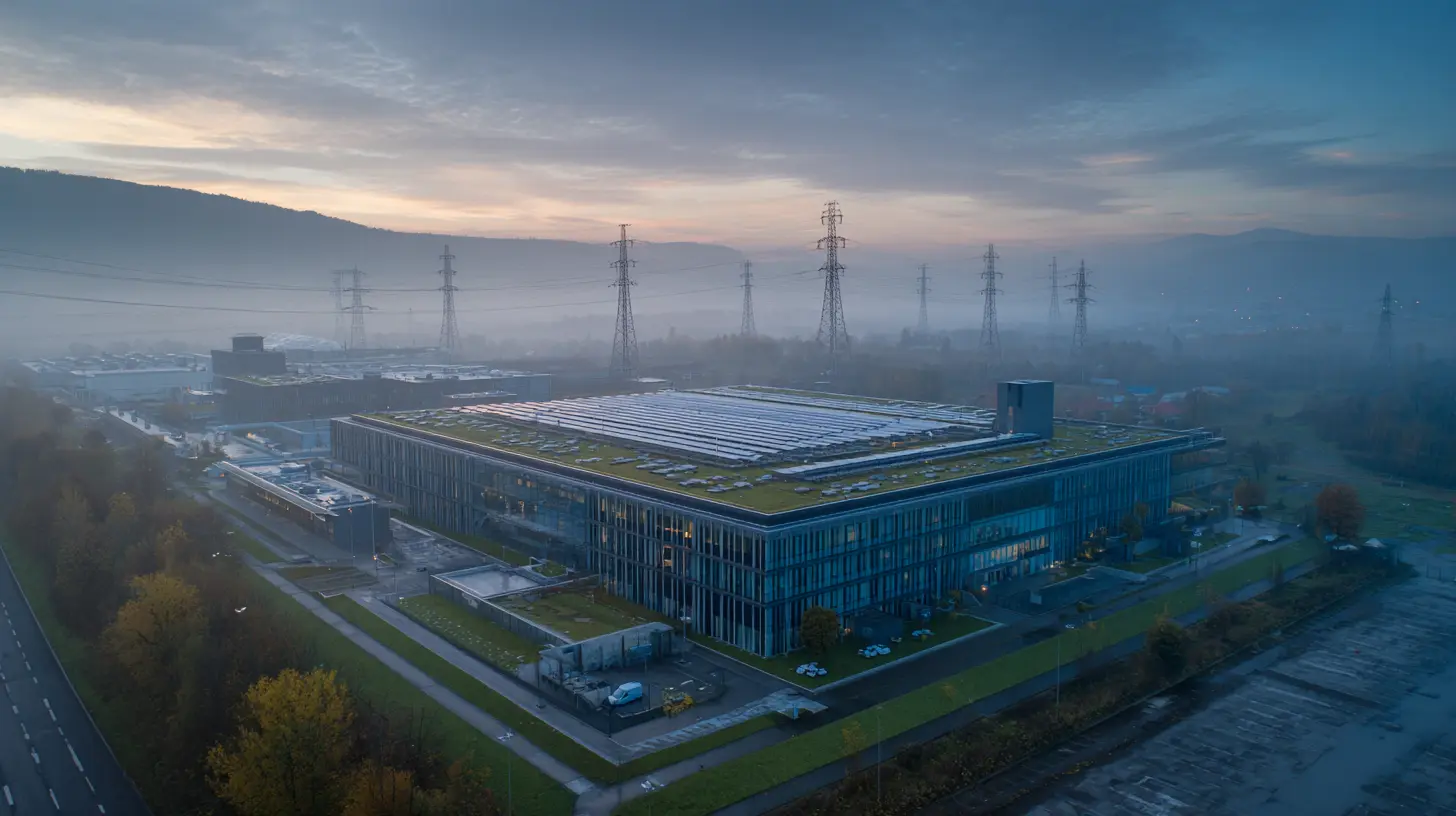
Energy bills show only part of the picture. Sensors and consumption analysis can reveal overheated areas or equipment running at night for no reason. Without this data, a company may invest heavily in a measure that misses its biggest losses. Sometimes, adjusting the controls of an existing system delivers savings before any major investment is needed.
Energy audits may depend on consumption
Parliament is considering a new Energy Efficiency Act under which a company’s energy consumption would determine whether it has to carry out an energy audit or introduce energy management. Linking the obligation to consumption makes sense, but much will depend on implementation: companies will need clear guidance, enough time and access to qualified auditors. An audit is worth the cost only if it points to real savings.
Electricity sharing: clearer rules, but contracts still decide
Amendments to the Energy Act effective from January and September 2026 have made the rules much clearer. Setting up sharing still requires suitable metering, registration and contracts that set out who owns the electricity, how it is divided and how it is billed. Network charges continue to apply, and electricity generated at noon cannot automatically cover another member’s consumption in the evening. When several businesses share electricity, payments, responsibilities and the exit of a member should be agreed in advance.
PPAs: the model determines the risks
When an outside investor owns and operates an installation at the customer’s premises, current rules make it difficult to separate producer and customer at a single connection point. When electricity comes from an outside plant through the public grid, the main challenge is finding a project with permits and a realistic grid connection. The contract must then cover differences between generation and consumption, balancing responsibility, network charges and possible output limits, and the PPA needs legal certainty for the entire financing period.
Curtailment: compensation depends on the legal basis
The Economy Ministry has proposed rules allowing curtailment of installations of 100 kW and more when there is too much electricity in the grid. Whether producers would be entitled to compensation depends on the legal basis for the intervention. Slovak emergency provisions exclude claims for damages and lost profit in certain circumstances, while EU rules generally provide for compensation when an operator orders non-market redispatching, subject to exceptions. The final rules should therefore clearly distinguish between an emergency restriction and ordinary management of the system.
Read the full interview
The interview in The Slovak Spectator also covers solar installations for households, responsibilities during a blackout, the closure of the Nováky power plant and three legal changes recommended to the government.
Planning an energy project?
Whether you are setting up electricity sharing, negotiating a PPA or assessing how new rules affect your installation, the outcome depends on contracts and regulatory requirements. Our energy team prepares and negotiates contracts for energy generation and supply, advises on PPAs including state aid aspects, represents clients before the Regulatory Office for Network Industries and supports the financing of energy projects.